Global Primary Greenhouse Gas Concentrations by James Pate Williams Jr BA, BS, MSwE, PhD

I designed and implemented a C# computer language application to model the global greenhouse gas concentrations data found on the NOAA website:

https://www.esrl.noaa.gov/gmd/aggi/aggi.html

I used the latest recommended data for time period 1979 to 2017. The concentrations of three greenhouse gases were modeled: carbon dioxide (CO2), methane (CH4), and nitrous oxide (N2O).

The empirical modeling paradigm I used was simple linear regression. My model goes out to the year 2300. The key formulas used by the model are:

                                Simple Linear Regression Parameters

See the website:

https://en.wikipedia.org/wiki/Simple_linear_regression

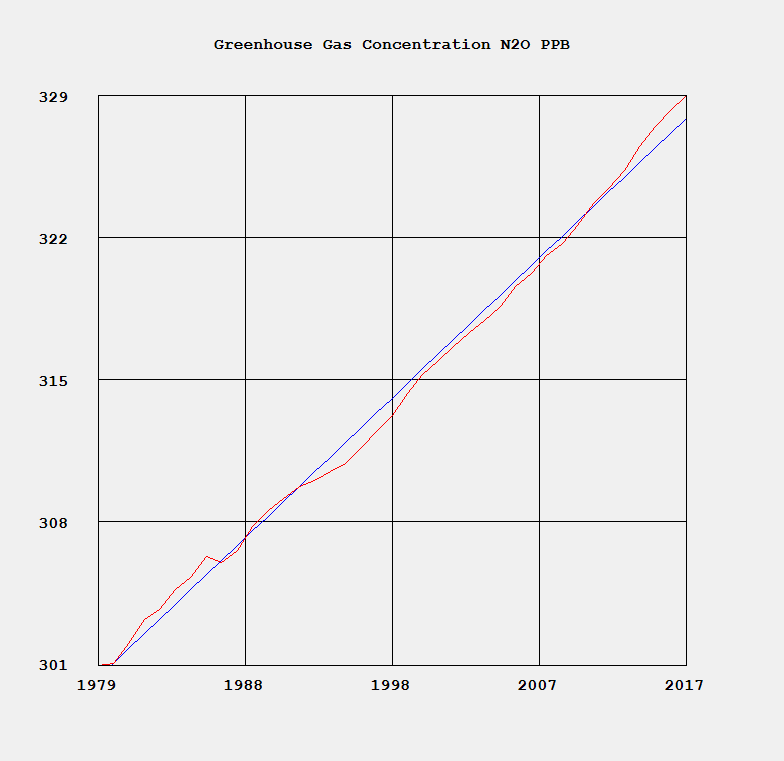
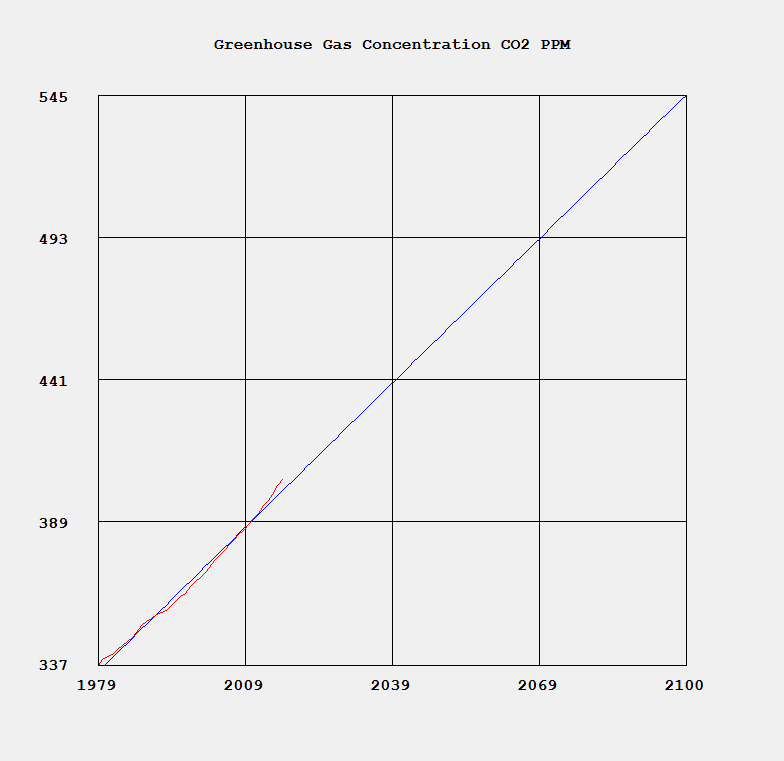
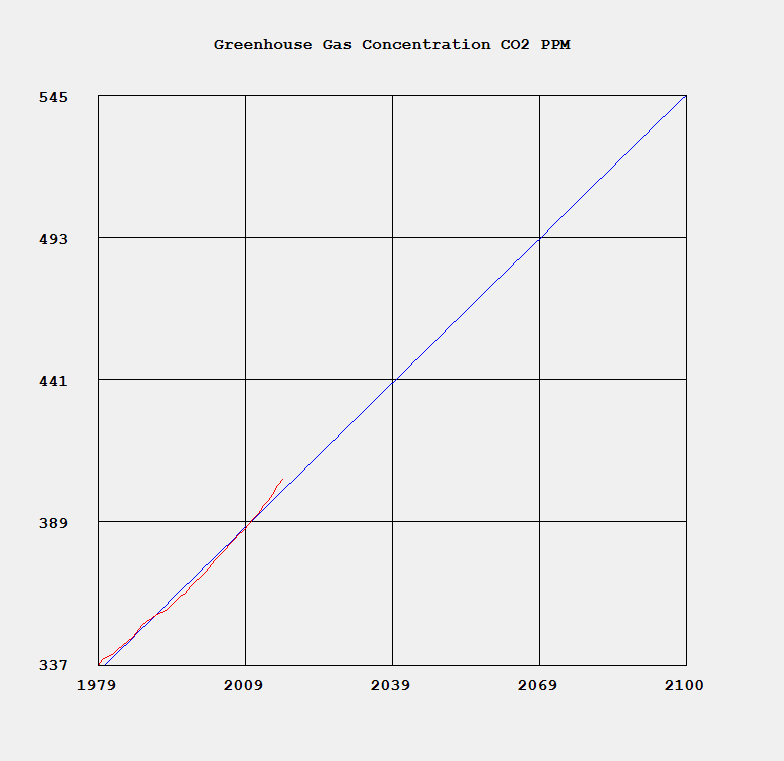
Some plots of the concentrations in parts per million (PPM) and parts per billion (PPB) are given below.

                                                Carbon Dioxide Concentration in Parts Per Million
                                                        Methane Concentration in Parts Per Billion
                                                 Nitrous Oxide Concentration in Parts Per Billion
                                             Carbon Dioxide Concentration in Parts Per Million
                                                      Methane Concentration in Parts Per Billion
                                                   Nitrous Oxide Concentration in Parts Per Billion
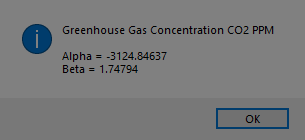
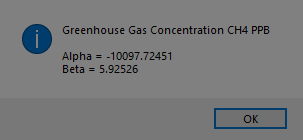
              Simple Linear Regression Parameters
              Simple Linear Regression Parameters
             Simple Linear Regression Parameters
                                                         Greenhouse Gas Concentrations Table

NOAA Contiguous United States of America Precipitation by James Pate Williams Jr BA, BS, MSwE, PhD

I designed and implemented a C# computer language application to model the precipitation data found on the NOAA website:

https://www.ncdc.noaa.gov

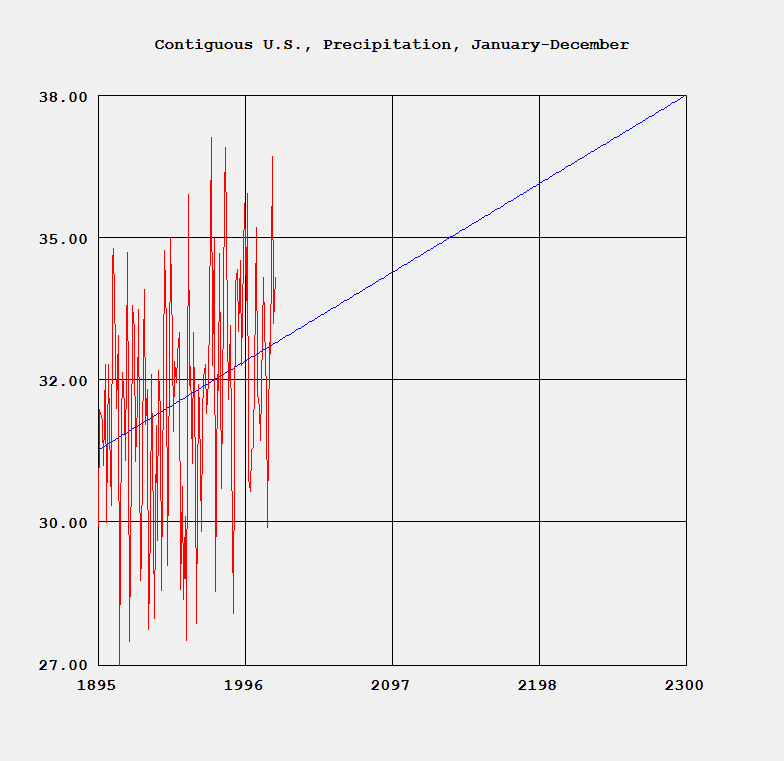
I used the latest recommended data for time period 1895 to 2017. The empirical modeling paradigm I used was simple linear regression. My model goes out to the year 2300. The key formulas used by the model are:

Simple  Linear Regression Equations

See the website:

https://en.wikipedia.org/wiki/Simple_linear_regression

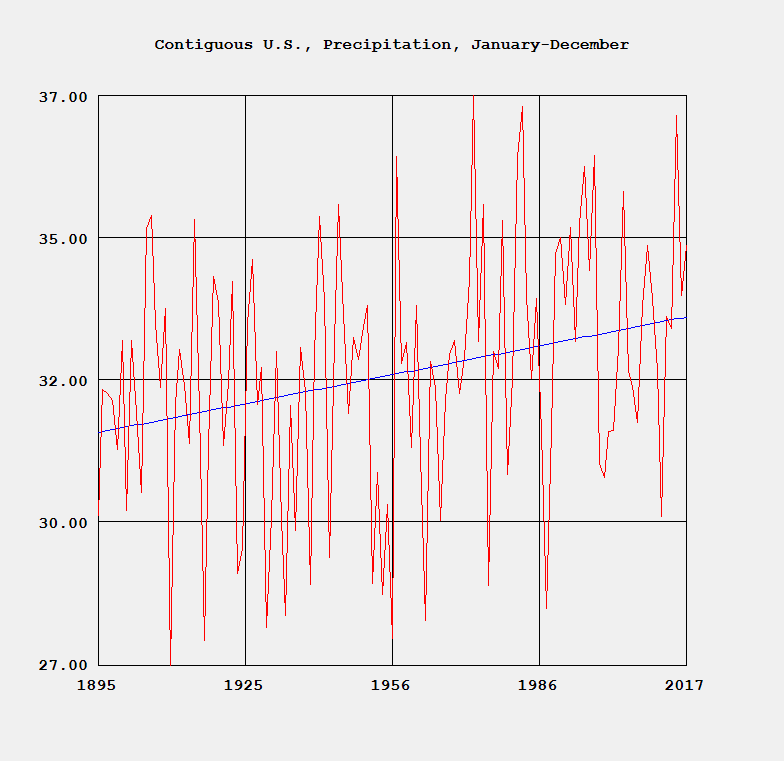
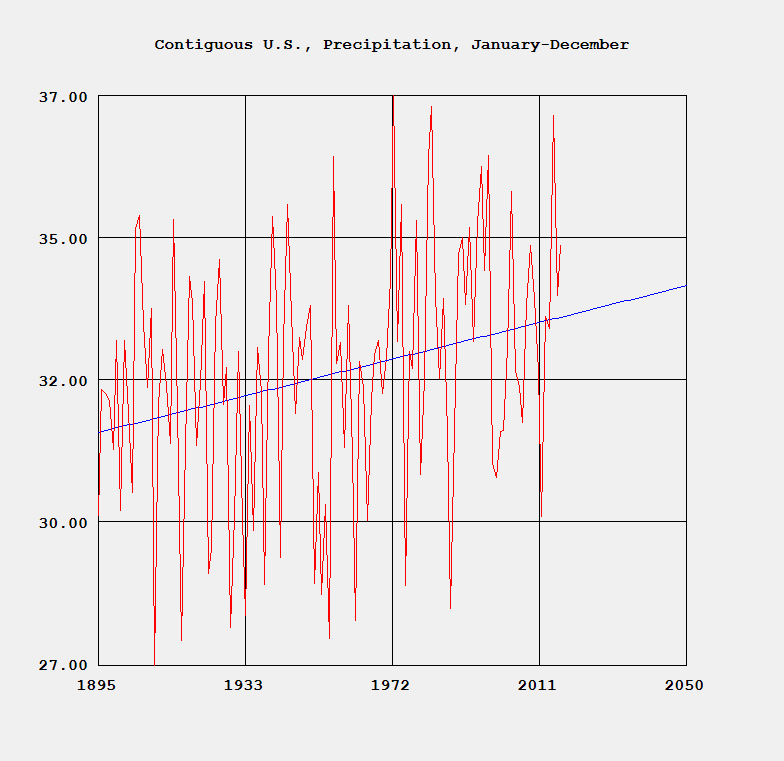
Some plots of the contiguous U.S. precipitation are shown below. The climate is getting wetter thus some parts of the U.S.maybe more prone to floods.
Precipitation Plot
Precipitation Plot
Precipitation Plot
Precipitation Plot
Precipitation Plot
Precipitation Plot
Precipitation Plot
Simple Linear Regression Parameters
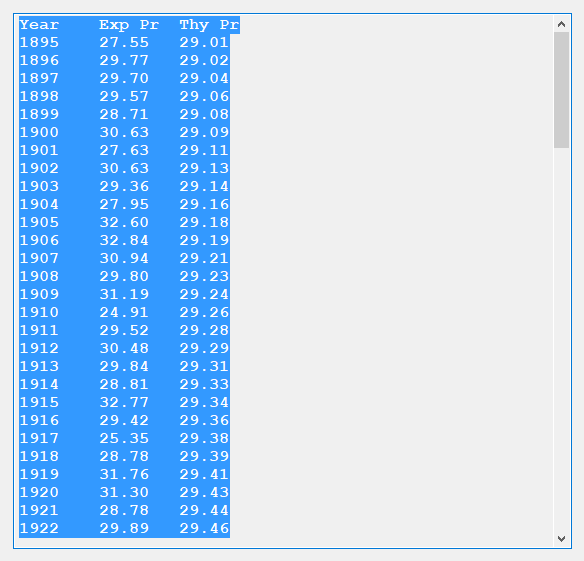
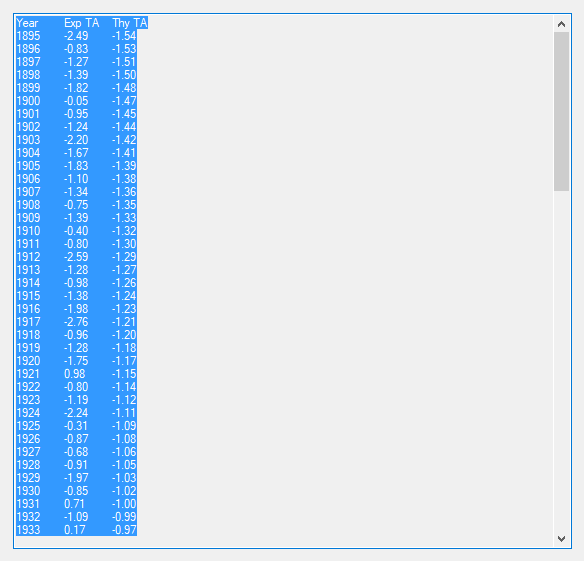
Precipitation Table Experimental and Theoretical Values

NOAA Contiguous United States of America Temperature Anomaly by James Pate Williams Jr BA, BS, MSwE, PhD

I designed and implemented a C# computer language application to model the temperature anomaly data found on the NOAA website:

https://www.ncdc.noaa.gov

I used the latest recommended data for time period 1895 to 2017. The empirical modeling paradigm I used was simple linear regression. My model goes out to the year 2300. The key formulas used by the model are:

Simple Linear Regression Equations

See the website:

https://en.wikipedia.org/wiki/Simple_linear_regression

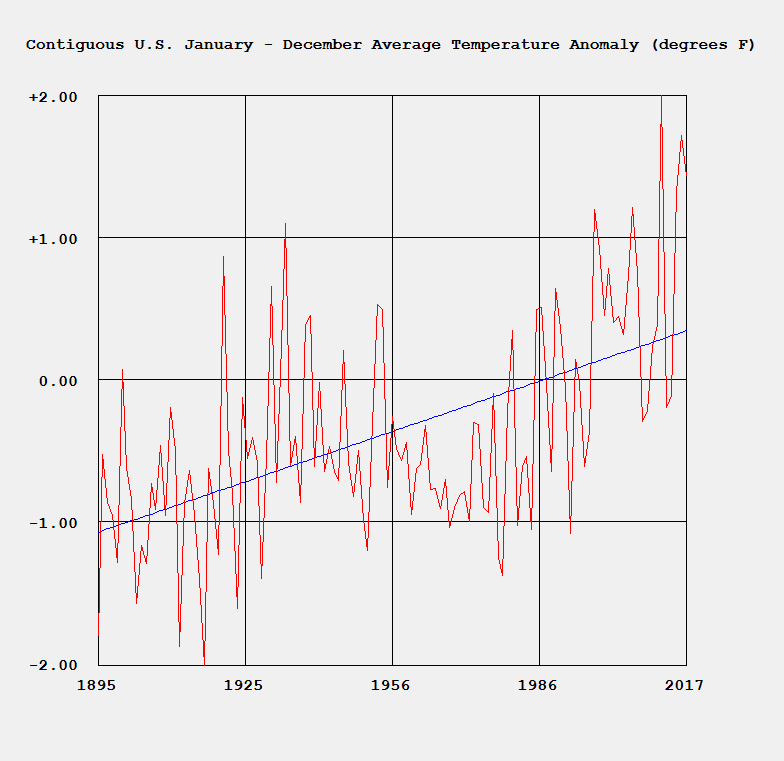
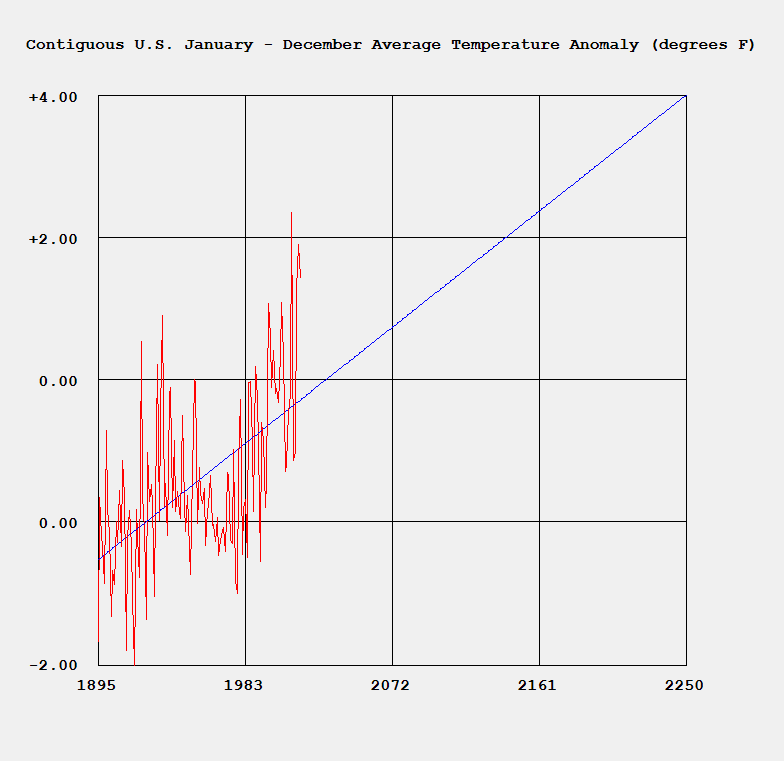
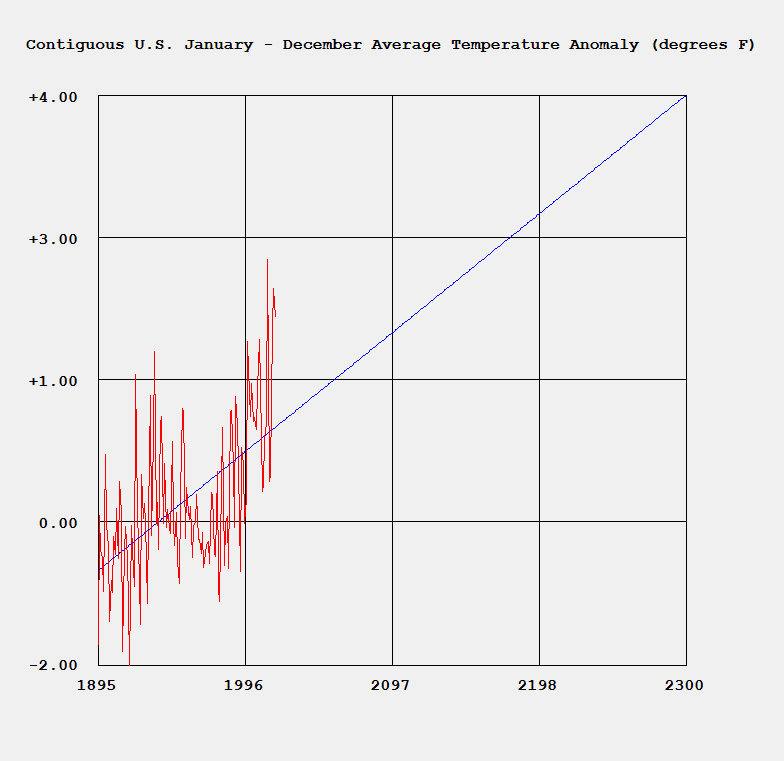
Below are some plots of the temperature anomaly.

Temperature Anomaly Actual Anomaly in Red Theoretical in Blue
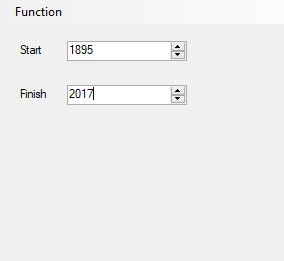
C# Application Main Form
Simple Linear Regression Parameters
Table Function Form with Experimental and Theoretical Anomalies