The Advanced Encryption Standard (AES) is fully described in the National Institute of Standards and Technology (NIST) publication:
Click to access NIST.FIPS.197.pdf
AES is a secret key block cipher with a block length of 128-bits and variable key lengths of 128-bits, 192-bits, and 256-bits.
The ANSI X9.17 pseudorandom number generator is described by Alfred J. Menezes, ET AL. in the Handbook of Applied Cryptography on page 176 5.11 Algorithm.
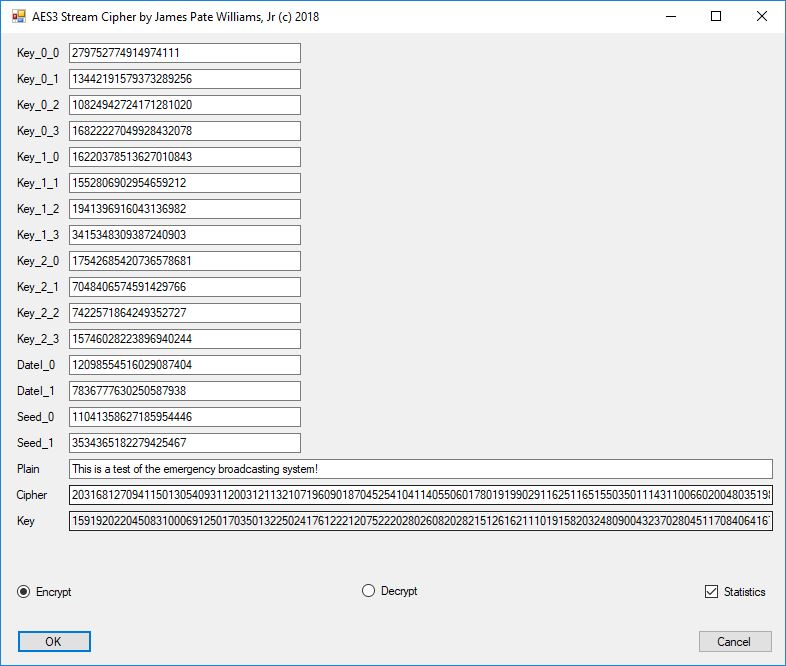
We use triple-AES with three 256-bit keys in Encryption-Decryption-Encryption mode. Also we utilize two 128-bit numbers. The total key space is (768 + 256)-bits = 1024-bits.
We now illustrate in the following screenshots our C# implementation of a stream cipher using the preceding algorithms.
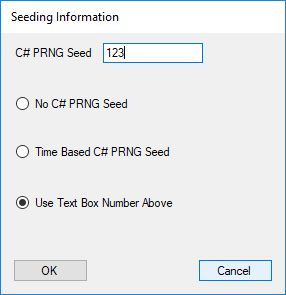
We use the following dialog to allow under certain circumstances the application to randomly generate the seed material for our PRNG. Unfortunately, the built-in C# PRNG only has 2^31 -1 = 2147483647 different seeds. This cuts down on the amount of thought and typing required but is inherently dangerous due to the relatively small number of seeds. If you want true security the requisite sixteen 64-bit numbers must be random.
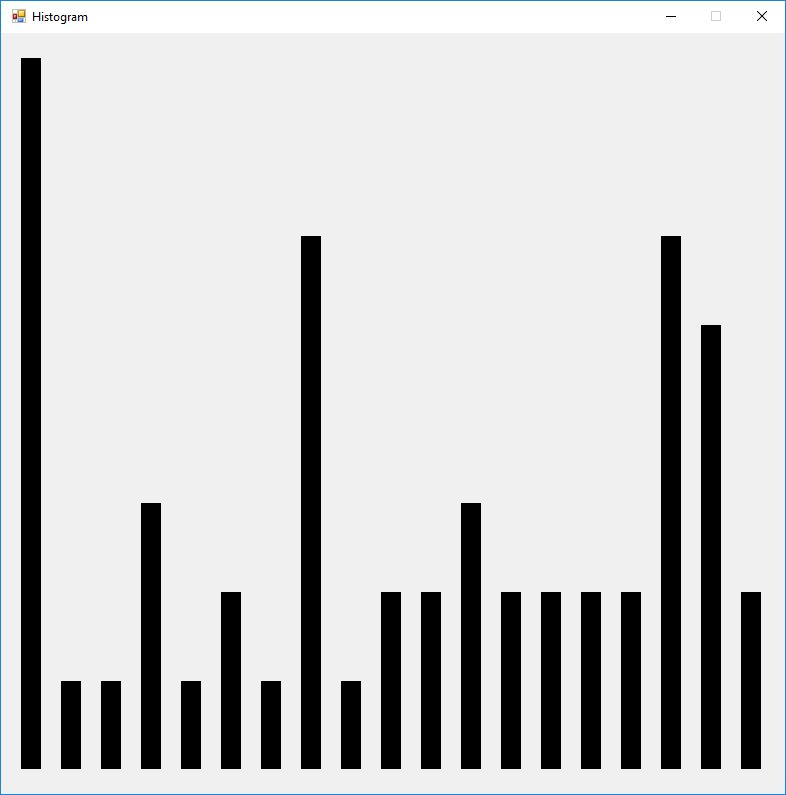
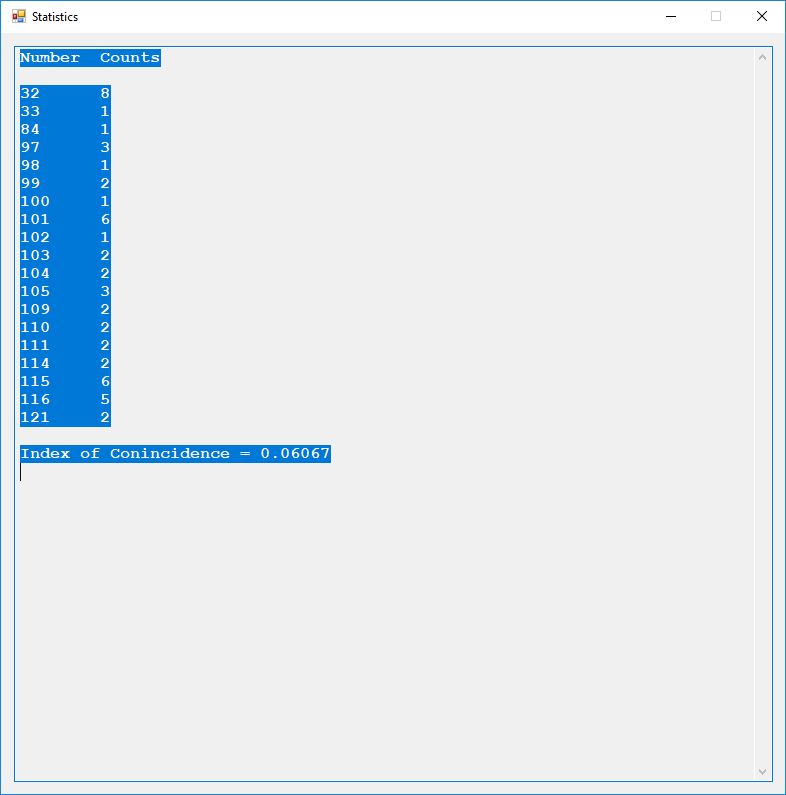
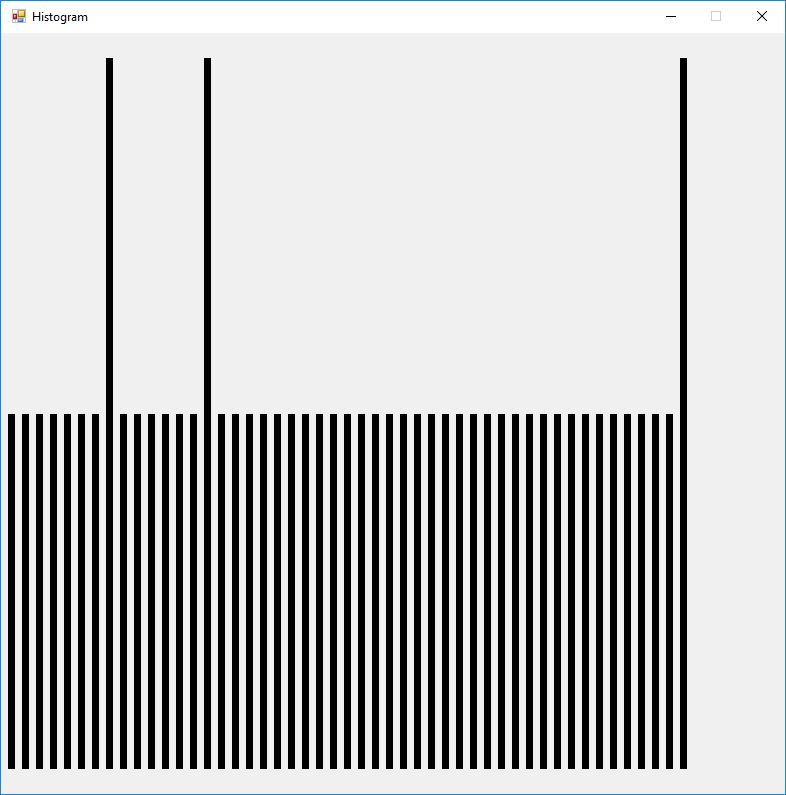
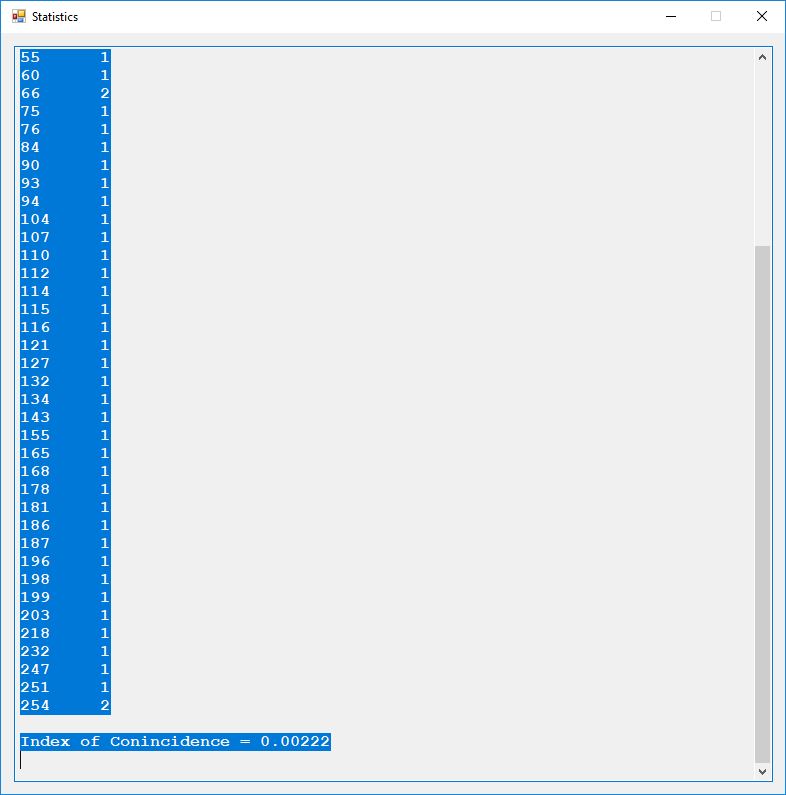
Optimally we would like to 0 index of coincidence, but 0.00222 is reasonably acceptable.
ANSIX9_17 Source Code

Author: jamespatewilliamsjr
My whole legal name is James Pate Williams, Jr. I was born in LaGrange, Georgia approximately 70 years ago. I barely graduated from LaGrange High School with low marks in June 1971. Later in June 1979, I graduated from LaGrange College with a Bachelor of Arts in Chemistry with a little over a 3 out 4 Grade Point Average (GPA). In the Spring Quarter of 1978, I taught myself how to program a Texas Instruments desktop programmable calculator and in the Summer Quarter of 1978 I taught myself Dayton BASIC (Beginner's All-purpose Symbolic Instruction Code) on LaGrange College's Data General Eclipse minicomputer. I took courses in BASIC in the Fall Quarter of 1978 and FORTRAN IV (Formula Translator IV) in the Winter Quarter of 1979. Professor Kenneth Cooper, a genius poly-scientist taught me a course in the Intel 8085 microprocessor architecture and assembly and machine language. We would hand assemble our programs and insert the resulting machine code into our crude wooden box computer which was designed and built by Professor Cooper. From 1990 to 1994 I earned a Bachelor of Science in Computer Science from LaGrange College. I had a 4 out of 4 GPA in the period 1990 to 1994. I took courses in C, COBOL, and Pascal during my BS work. After graduating from LaGrange College a second time in May 1994, I taught myself C++. In December 1995, I started using the Internet and taught myself client-server programming. I created a website in 1997 which had C and C# implementations of algorithms from the "Handbook of Applied Cryptography" by Alfred J. Menezes, et. al., and some other cryptography and number theory textbooks and treatises.
View all posts by jamespatewilliamsjr
 Numerical Explorations